جدیدترین مطالب

Iran’s Potential Levers of Power

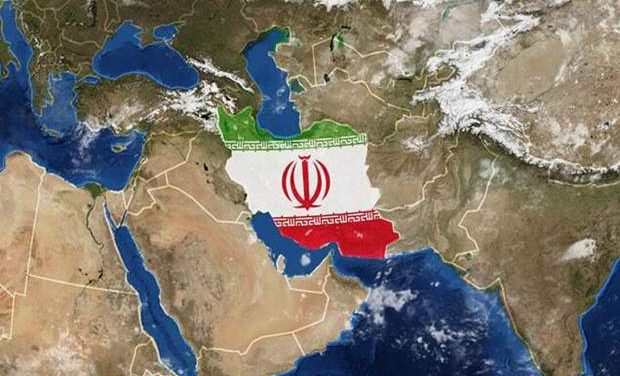
SCFRonline– Opinion: Iran’s geopolitical power is not limited solely to oil and the Strait of Hormuz; the unintended emergence of disruptions in the future global food and energy security chains can also demonstrate Iran’s strategic importance.


The Inseparability of the Lebanese Front from the Axis of Resistance

SCFR Online–Opinion: By providing an extensive network of social, healthcare, educational, and post-war reconstruction services, Hezbollah has established a strong social base for itself among Lebanon’s Shiites and Sunnis, and even beyond that, among other segments of Lebanese society, including Christians. Hezbollah has never been an external actor imposed upon Lebanon; rather, it is a phenomenon fundamentally born out of the occupation and crimes of the Zionist regime and itself influenced by popular resistance.

The Increasing Efforts of the Zionist Regime to Redefine Borders and the Regional Order and Its Consequences

SCFR Online– Opinion: Security and military developments in the region over recent months indicate that the ongoing crises and wars in Gaza, southern Lebanon, and parts of Syrian territory encompass broader dimensions of geopolitical and geostrategic transformations. In this context, the increased military presence and control of the Zionist regime over parts of the territories of these areas, along with proposals regarding the creation of buffer zones or even the expansion of security borders, have raised serious questions about the future of the regional order and its consequences for the countries of West Asia.

The Components of Iran’s Deterrence Power

SCFR Online – Opinion: At a time when regional security equations have reached a sensitive stage under the influence of Iran’s strategic confrontation with the United States and the Zionist regime, the question of the nature of Tehran’s defensive power has gained greater significance than ever before. While Washington and Tel Aviv rely on their technological superiority, the Islamic Republic of Iran has presented a model of deterrence that extends beyond the material calculations of the world’s classical militaries. This power, rooted in the connection between “the field” and “the people,” has not only altered the balance of power in recent conflicts but has also disrupted adversaries’ calculations when confronting Iran’s strategic depth.

Loading

AGOL

Objectives of NATO in increasing military forces in Iraq

Objectives of NATO in increasing military forces in Iraq

Strategic Council Online—Interview: A university professor says re-stationing of American military personnel in Iraq, giving legitimacy to their presence and weakening the status of Hashd al-Shabi in Iraq are the main objectives of NATO’s decision to increase the number of its military forces in Iraq by eight times, adding that if there is no serious determination by foreign players to make Iraq insecure, Iraqi forces can guarantee security in the fight against terrorism.

An Analysis on Biden’s Remarks at Munich Security Conference

An Analysis on Biden’s Remarks at Munich Security Conference

Strategic Council Online – In the nearly 60-year old history of the Munich Security Conference, which is held annually by the private sector on global security policy in the presence of international security and military politicians, this is the first time that a president of the United States has attended it, and for the first time since taking office, has addressed the European audience directly.
Mahmoud Fazeli – Analyst of international affairs

Russia-Europe Relations: Partner or Competitor?

Russia-Europe Relations: Partner or Competitor?

Strategic Council Online – An expert on Europe affairs believes that a series of developments occurred in the Russian-European relations over the past three decades since the collapse of the Soviet Union show that European and American governments see Russia not as a partner but as a rival.

Aftershocks of US Elections on Relations with Saudi Arabia

Aftershocks of US Elections on Relations with Saudi Arabia

Strategic Council Online – An analyst of Saudi affairs said that Saudi Arabia and the United States are currently evaluating each other, adding: If Bin Salman cooperates with the United States in resolving the Yemen crisis, as such that Biden represents himself as the “savior of several nations,” Biden will also reduce his pressure in the field of Saudi domestic issues.

Importance, Necessity of Ending Yemen War; Responsibility of UN Security Council

Importance, Necessity of Ending Yemen War; Responsibility of UN Security Council

Strategic Council Online – Positions and remarks of the officials of the new US administration show that the war in Yemen is one of the important topics on the agenda of the White House in the field of foreign policy. As US President Joe Biden described in his first foreign policy speech the Yemen war: “a war which has created humanitarian and strategic catastrophe. …This war has to end.”
Hamid Khoshayand – Analyst of international affairs

Perspective of Moscow-Washington relations during the Biden administration

Perspective of Moscow-Washington relations during the Biden administration

Strategic Council Online-Editorial: The interference of the White House in the domestic affairs of Russia during the past one month concerning the Alexi Navalny issue indicated that the Biden administration is profiting from the tools of democracy and human rights for its own interest in order to obtain maximal interests in the global order. And this is an issue which can cause more frictions in the relations between the United States and Russia as Russia believes that the West presents a two-direction and conflicting definition of concrete concepts such as freedom, human rights and democracy.
Dr. Ahmad Vakhishteh, professor of the International Relations Faculty of the National Eurasia University

Hidden Targets of Biden’s Yemen War Policy

Hidden Targets of Biden’s Yemen War Policy

Strategic Council Online – An expert on the Middle East affairs, commenting on the differences between US foreign policy towards Yemen during Donald Trump’s presidency and under Joe Biden, said: Biden’s policy on putting an end to the war in Yemen is not about human rights issues; rather what he follows in ending the war is to help its ally, Saudi Arabia, which is entrapped in that crisis.

Moscow Making Efforts to Play a New Role in Palestinian Crisis

Moscow Making Efforts to Play a New Role in Palestinian Crisis

Strategic Council Online – According to a decree issued by Mahmoud Abbas, President of the Palestinian Authority, the Palestinian elections are scheduled to be held in three stages in 2021. According to the decree, for the Palestinian Legislative Council (Parliament) the elections will be held on May 22, for the president of the Palestinian Authority on July 31, and for the Palestinian National Council on August 31, 2021. The results of the elections for the Palestinian Legislative Assembly will be the first stage in the formation of the Palestinian National Council, which will be completed after the elections in accordance with the statute of the Palestine Liberation Organization (PLO) and national reconciliation. This is an important and effective step towards establishing unification in Palestine. Announcement of the exact date for the election has been accompanied by movements in the diplomatic arena.
Mahmoud Fazeli – Analyst of international affairs

أحدث الوظائف

Iran’s Potential Levers of Power

SCFRonline– Opinion: Iran’s geopolitical power is not limited solely to oil and the Strait of Hormuz; the unintended emergence of disruptions in the future global food and energy security chains can also demonstrate Iran’s strategic importance.
The Inseparability of the Lebanese Front from the Axis of Resistance

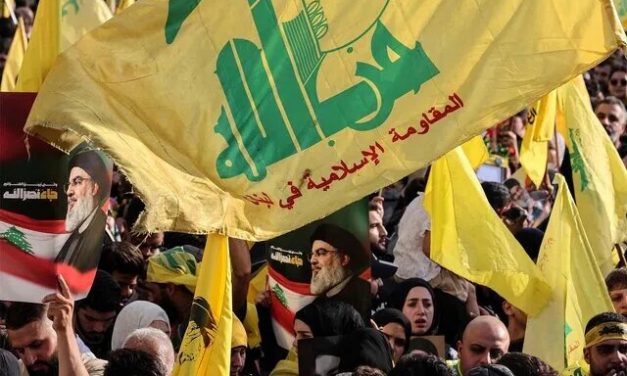
SCFR Online–Opinion: By providing an extensive network of social, healthcare, educational, and post-war reconstruction services, Hezbollah has established a strong social base for itself among Lebanon’s Shiites and Sunnis, and even beyond that, among other segments of Lebanese society, including Christians. Hezbollah has never been an external actor imposed upon Lebanon; rather, it is a phenomenon fundamentally born out of the occupation and crimes of the Zionist regime and itself influenced by popular resistance.

The Increasing Efforts of the Zionist Regime to Redefine Borders and the Regional Order and Its Consequences

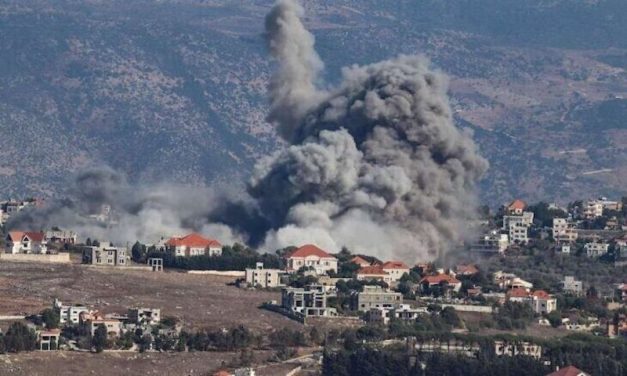
SCFR Online– Opinion: Security and military developments in the region over recent months indicate that the ongoing crises and wars in Gaza, southern Lebanon, and parts of Syrian territory encompass broader dimensions of geopolitical and geostrategic transformations. In this context, the increased military presence and control of the Zionist regime over parts of the territories of these areas, along with proposals regarding the creation of buffer zones or even the expansion of security borders, have raised serious questions about the future of the regional order and its consequences for the countries of West Asia.

The Components of Iran’s Deterrence Power

SCFR Online – Opinion: At a time when regional security equations have reached a sensitive stage under the influence of Iran’s strategic confrontation with the United States and the Zionist regime, the question of the nature of Tehran’s defensive power has gained greater significance than ever before. While Washington and Tel Aviv rely on their technological superiority, the Islamic Republic of Iran has presented a model of deterrence that extends beyond the material calculations of the world’s classical militaries. This power, rooted in the connection between “the field” and “the people,” has not only altered the balance of power in recent conflicts but has also disrupted adversaries’ calculations when confronting Iran’s strategic depth.

Loading

AGOL

Objectives of NATO in increasing military forces in Iraq

Objectives of NATO in increasing military forces in Iraq

Strategic Council Online—Interview: A university professor says re-stationing of American military personnel in Iraq, giving legitimacy to their presence and weakening the status of Hashd al-Shabi in Iraq are the main objectives of NATO’s decision to increase the number of its military forces in Iraq by eight times, adding that if there is no serious determination by foreign players to make Iraq insecure, Iraqi forces can guarantee security in the fight against terrorism.

An Analysis on Biden’s Remarks at Munich Security Conference

An Analysis on Biden’s Remarks at Munich Security Conference

Strategic Council Online – In the nearly 60-year old history of the Munich Security Conference, which is held annually by the private sector on global security policy in the presence of international security and military politicians, this is the first time that a president of the United States has attended it, and for the first time since taking office, has addressed the European audience directly.
Mahmoud Fazeli – Analyst of international affairs

Russia-Europe Relations: Partner or Competitor?

Russia-Europe Relations: Partner or Competitor?

Strategic Council Online – An expert on Europe affairs believes that a series of developments occurred in the Russian-European relations over the past three decades since the collapse of the Soviet Union show that European and American governments see Russia not as a partner but as a rival.

Aftershocks of US Elections on Relations with Saudi Arabia

Aftershocks of US Elections on Relations with Saudi Arabia

Strategic Council Online – An analyst of Saudi affairs said that Saudi Arabia and the United States are currently evaluating each other, adding: If Bin Salman cooperates with the United States in resolving the Yemen crisis, as such that Biden represents himself as the “savior of several nations,” Biden will also reduce his pressure in the field of Saudi domestic issues.

Importance, Necessity of Ending Yemen War; Responsibility of UN Security Council

Importance, Necessity of Ending Yemen War; Responsibility of UN Security Council

Strategic Council Online – Positions and remarks of the officials of the new US administration show that the war in Yemen is one of the important topics on the agenda of the White House in the field of foreign policy. As US President Joe Biden described in his first foreign policy speech the Yemen war: “a war which has created humanitarian and strategic catastrophe. …This war has to end.”
Hamid Khoshayand – Analyst of international affairs

Perspective of Moscow-Washington relations during the Biden administration

Perspective of Moscow-Washington relations during the Biden administration

Strategic Council Online-Editorial: The interference of the White House in the domestic affairs of Russia during the past one month concerning the Alexi Navalny issue indicated that the Biden administration is profiting from the tools of democracy and human rights for its own interest in order to obtain maximal interests in the global order. And this is an issue which can cause more frictions in the relations between the United States and Russia as Russia believes that the West presents a two-direction and conflicting definition of concrete concepts such as freedom, human rights and democracy.
Dr. Ahmad Vakhishteh, professor of the International Relations Faculty of the National Eurasia University

Hidden Targets of Biden’s Yemen War Policy

Hidden Targets of Biden’s Yemen War Policy

Strategic Council Online – An expert on the Middle East affairs, commenting on the differences between US foreign policy towards Yemen during Donald Trump’s presidency and under Joe Biden, said: Biden’s policy on putting an end to the war in Yemen is not about human rights issues; rather what he follows in ending the war is to help its ally, Saudi Arabia, which is entrapped in that crisis.

Moscow Making Efforts to Play a New Role in Palestinian Crisis

Moscow Making Efforts to Play a New Role in Palestinian Crisis

Strategic Council Online – According to a decree issued by Mahmoud Abbas, President of the Palestinian Authority, the Palestinian elections are scheduled to be held in three stages in 2021. According to the decree, for the Palestinian Legislative Council (Parliament) the elections will be held on May 22, for the president of the Palestinian Authority on July 31, and for the Palestinian National Council on August 31, 2021. The results of the elections for the Palestinian Legislative Assembly will be the first stage in the formation of the Palestinian National Council, which will be completed after the elections in accordance with the statute of the Palestine Liberation Organization (PLO) and national reconciliation. This is an important and effective step towards establishing unification in Palestine. Announcement of the exact date for the election has been accompanied by movements in the diplomatic arena.
Mahmoud Fazeli – Analyst of international affairs

AGOL

Objectives of NATO in increasing military forces in Iraq

Objectives of NATO in increasing military forces in Iraq

Strategic Council Online—Interview: A university professor says re-stationing of American military personnel in Iraq, giving legitimacy to their presence and weakening the status of Hashd al-Shabi in Iraq are the main objectives of NATO’s decision to increase the number of its military forces in Iraq by eight times, adding that if there is no serious determination by foreign players to make Iraq insecure, Iraqi forces can guarantee security in the fight against terrorism.

An Analysis on Biden’s Remarks at Munich Security Conference

An Analysis on Biden’s Remarks at Munich Security Conference

Strategic Council Online – In the nearly 60-year old history of the Munich Security Conference, which is held annually by the private sector on global security policy in the presence of international security and military politicians, this is the first time that a president of the United States has attended it, and for the first time since taking office, has addressed the European audience directly.
Mahmoud Fazeli – Analyst of international affairs

Russia-Europe Relations: Partner or Competitor?

Russia-Europe Relations: Partner or Competitor?

Strategic Council Online – An expert on Europe affairs believes that a series of developments occurred in the Russian-European relations over the past three decades since the collapse of the Soviet Union show that European and American governments see Russia not as a partner but as a rival.

Aftershocks of US Elections on Relations with Saudi Arabia

Aftershocks of US Elections on Relations with Saudi Arabia

Strategic Council Online – An analyst of Saudi affairs said that Saudi Arabia and the United States are currently evaluating each other, adding: If Bin Salman cooperates with the United States in resolving the Yemen crisis, as such that Biden represents himself as the “savior of several nations,” Biden will also reduce his pressure in the field of Saudi domestic issues.

Importance, Necessity of Ending Yemen War; Responsibility of UN Security Council

Importance, Necessity of Ending Yemen War; Responsibility of UN Security Council

Strategic Council Online – Positions and remarks of the officials of the new US administration show that the war in Yemen is one of the important topics on the agenda of the White House in the field of foreign policy. As US President Joe Biden described in his first foreign policy speech the Yemen war: “a war which has created humanitarian and strategic catastrophe. …This war has to end.”
Hamid Khoshayand – Analyst of international affairs

Perspective of Moscow-Washington relations during the Biden administration

Perspective of Moscow-Washington relations during the Biden administration

Strategic Council Online-Editorial: The interference of the White House in the domestic affairs of Russia during the past one month concerning the Alexi Navalny issue indicated that the Biden administration is profiting from the tools of democracy and human rights for its own interest in order to obtain maximal interests in the global order. And this is an issue which can cause more frictions in the relations between the United States and Russia as Russia believes that the West presents a two-direction and conflicting definition of concrete concepts such as freedom, human rights and democracy.
Dr. Ahmad Vakhishteh, professor of the International Relations Faculty of the National Eurasia University

Hidden Targets of Biden’s Yemen War Policy

Hidden Targets of Biden’s Yemen War Policy

Strategic Council Online – An expert on the Middle East affairs, commenting on the differences between US foreign policy towards Yemen during Donald Trump’s presidency and under Joe Biden, said: Biden’s policy on putting an end to the war in Yemen is not about human rights issues; rather what he follows in ending the war is to help its ally, Saudi Arabia, which is entrapped in that crisis.

Moscow Making Efforts to Play a New Role in Palestinian Crisis

Moscow Making Efforts to Play a New Role in Palestinian Crisis

Strategic Council Online – According to a decree issued by Mahmoud Abbas, President of the Palestinian Authority, the Palestinian elections are scheduled to be held in three stages in 2021. According to the decree, for the Palestinian Legislative Council (Parliament) the elections will be held on May 22, for the president of the Palestinian Authority on July 31, and for the Palestinian National Council on August 31, 2021. The results of the elections for the Palestinian Legislative Assembly will be the first stage in the formation of the Palestinian National Council, which will be completed after the elections in accordance with the statute of the Palestine Liberation Organization (PLO) and national reconciliation. This is an important and effective step towards establishing unification in Palestine. Announcement of the exact date for the election has been accompanied by movements in the diplomatic arena.
Mahmoud Fazeli – Analyst of international affairs

LATEST CONTENT

Iran’s Potential Levers of Power

SCFRonline– Opinion: Iran’s geopolitical power is not limited solely to oil and the Strait of Hormuz; the unintended emergence of disruptions in the future global food and energy security chains can also demonstrate Iran’s strategic importance.
The Inseparability of the Lebanese Front from the Axis of Resistance

SCFR Online–Opinion: By providing an extensive network of social, healthcare, educational, and post-war reconstruction services, Hezbollah has established a strong social base for itself among Lebanon’s Shiites and Sunnis, and even beyond that, among other segments of Lebanese society, including Christians. Hezbollah has never been an external actor imposed upon Lebanon; rather, it is a phenomenon fundamentally born out of the occupation and crimes of the Zionist regime and itself influenced by popular resistance.

The Increasing Efforts of the Zionist Regime to Redefine Borders and the Regional Order and Its Consequences

SCFR Online– Opinion: Security and military developments in the region over recent months indicate that the ongoing crises and wars in Gaza, southern Lebanon, and parts of Syrian territory encompass broader dimensions of geopolitical and geostrategic transformations. In this context, the increased military presence and control of the Zionist regime over parts of the territories of these areas, along with proposals regarding the creation of buffer zones or even the expansion of security borders, have raised serious questions about the future of the regional order and its consequences for the countries of West Asia.

The Components of Iran’s Deterrence Power

SCFR Online – Opinion: At a time when regional security equations have reached a sensitive stage under the influence of Iran’s strategic confrontation with the United States and the Zionist regime, the question of the nature of Tehran’s defensive power has gained greater significance than ever before. While Washington and Tel Aviv rely on their technological superiority, the Islamic Republic of Iran has presented a model of deterrence that extends beyond the material calculations of the world’s classical militaries. This power, rooted in the connection between “the field” and “the people,” has not only altered the balance of power in recent conflicts but has also disrupted adversaries’ calculations when confronting Iran’s strategic depth.

Loading

AGOL

Objectives of NATO in increasing military forces in Iraq

Objectives of NATO in increasing military forces in Iraq

Strategic Council Online—Interview: A university professor says re-stationing of American military personnel in Iraq, giving legitimacy to their presence and weakening the status of Hashd al-Shabi in Iraq are the main objectives of NATO’s decision to increase the number of its military forces in Iraq by eight times, adding that if there is no serious determination by foreign players to make Iraq insecure, Iraqi forces can guarantee security in the fight against terrorism.

An Analysis on Biden’s Remarks at Munich Security Conference

An Analysis on Biden’s Remarks at Munich Security Conference

Strategic Council Online – In the nearly 60-year old history of the Munich Security Conference, which is held annually by the private sector on global security policy in the presence of international security and military politicians, this is the first time that a president of the United States has attended it, and for the first time since taking office, has addressed the European audience directly.
Mahmoud Fazeli – Analyst of international affairs

Russia-Europe Relations: Partner or Competitor?

Russia-Europe Relations: Partner or Competitor?

Strategic Council Online – An expert on Europe affairs believes that a series of developments occurred in the Russian-European relations over the past three decades since the collapse of the Soviet Union show that European and American governments see Russia not as a partner but as a rival.

Aftershocks of US Elections on Relations with Saudi Arabia

Aftershocks of US Elections on Relations with Saudi Arabia

Strategic Council Online – An analyst of Saudi affairs said that Saudi Arabia and the United States are currently evaluating each other, adding: If Bin Salman cooperates with the United States in resolving the Yemen crisis, as such that Biden represents himself as the “savior of several nations,” Biden will also reduce his pressure in the field of Saudi domestic issues.

Importance, Necessity of Ending Yemen War; Responsibility of UN Security Council

Importance, Necessity of Ending Yemen War; Responsibility of UN Security Council

Strategic Council Online – Positions and remarks of the officials of the new US administration show that the war in Yemen is one of the important topics on the agenda of the White House in the field of foreign policy. As US President Joe Biden described in his first foreign policy speech the Yemen war: “a war which has created humanitarian and strategic catastrophe. …This war has to end.”
Hamid Khoshayand – Analyst of international affairs

Perspective of Moscow-Washington relations during the Biden administration

Perspective of Moscow-Washington relations during the Biden administration

Strategic Council Online-Editorial: The interference of the White House in the domestic affairs of Russia during the past one month concerning the Alexi Navalny issue indicated that the Biden administration is profiting from the tools of democracy and human rights for its own interest in order to obtain maximal interests in the global order. And this is an issue which can cause more frictions in the relations between the United States and Russia as Russia believes that the West presents a two-direction and conflicting definition of concrete concepts such as freedom, human rights and democracy.
Dr. Ahmad Vakhishteh, professor of the International Relations Faculty of the National Eurasia University

Hidden Targets of Biden’s Yemen War Policy

Hidden Targets of Biden’s Yemen War Policy

Strategic Council Online – An expert on the Middle East affairs, commenting on the differences between US foreign policy towards Yemen during Donald Trump’s presidency and under Joe Biden, said: Biden’s policy on putting an end to the war in Yemen is not about human rights issues; rather what he follows in ending the war is to help its ally, Saudi Arabia, which is entrapped in that crisis.

Moscow Making Efforts to Play a New Role in Palestinian Crisis

Moscow Making Efforts to Play a New Role in Palestinian Crisis

Strategic Council Online – According to a decree issued by Mahmoud Abbas, President of the Palestinian Authority, the Palestinian elections are scheduled to be held in three stages in 2021. According to the decree, for the Palestinian Legislative Council (Parliament) the elections will be held on May 22, for the president of the Palestinian Authority on July 31, and for the Palestinian National Council on August 31, 2021. The results of the elections for the Palestinian Legislative Assembly will be the first stage in the formation of the Palestinian National Council, which will be completed after the elections in accordance with the statute of the Palestine Liberation Organization (PLO) and national reconciliation. This is an important and effective step towards establishing unification in Palestine. Announcement of the exact date for the election has been accompanied by movements in the diplomatic arena.
Mahmoud Fazeli – Analyst of international affairs

ÚLTIMAS PUBLICACIONES

Iran’s Potential Levers of Power

SCFRonline– Opinion: Iran’s geopolitical power is not limited solely to oil and the Strait of Hormuz; the unintended emergence of disruptions in the future global food and energy security chains can also demonstrate Iran’s strategic importance.
The Inseparability of the Lebanese Front from the Axis of Resistance

SCFR Online–Opinion: By providing an extensive network of social, healthcare, educational, and post-war reconstruction services, Hezbollah has established a strong social base for itself among Lebanon’s Shiites and Sunnis, and even beyond that, among other segments of Lebanese society, including Christians. Hezbollah has never been an external actor imposed upon Lebanon; rather, it is a phenomenon fundamentally born out of the occupation and crimes of the Zionist regime and itself influenced by popular resistance.

The Increasing Efforts of the Zionist Regime to Redefine Borders and the Regional Order and Its Consequences

SCFR Online– Opinion: Security and military developments in the region over recent months indicate that the ongoing crises and wars in Gaza, southern Lebanon, and parts of Syrian territory encompass broader dimensions of geopolitical and geostrategic transformations. In this context, the increased military presence and control of the Zionist regime over parts of the territories of these areas, along with proposals regarding the creation of buffer zones or even the expansion of security borders, have raised serious questions about the future of the regional order and its consequences for the countries of West Asia.

The Components of Iran’s Deterrence Power

SCFR Online – Opinion: At a time when regional security equations have reached a sensitive stage under the influence of Iran’s strategic confrontation with the United States and the Zionist regime, the question of the nature of Tehran’s defensive power has gained greater significance than ever before. While Washington and Tel Aviv rely on their technological superiority, the Islamic Republic of Iran has presented a model of deterrence that extends beyond the material calculations of the world’s classical militaries. This power, rooted in the connection between “the field” and “the people,” has not only altered the balance of power in recent conflicts but has also disrupted adversaries’ calculations when confronting Iran’s strategic depth.

Loading

AGOL

Objectives of NATO in increasing military forces in Iraq

Objectives of NATO in increasing military forces in Iraq

Strategic Council Online—Interview: A university professor says re-stationing of American military personnel in Iraq, giving legitimacy to their presence and weakening the status of Hashd al-Shabi in Iraq are the main objectives of NATO’s decision to increase the number of its military forces in Iraq by eight times, adding that if there is no serious determination by foreign players to make Iraq insecure, Iraqi forces can guarantee security in the fight against terrorism.

An Analysis on Biden’s Remarks at Munich Security Conference

An Analysis on Biden’s Remarks at Munich Security Conference

Strategic Council Online – In the nearly 60-year old history of the Munich Security Conference, which is held annually by the private sector on global security policy in the presence of international security and military politicians, this is the first time that a president of the United States has attended it, and for the first time since taking office, has addressed the European audience directly.
Mahmoud Fazeli – Analyst of international affairs

Russia-Europe Relations: Partner or Competitor?

Russia-Europe Relations: Partner or Competitor?

Strategic Council Online – An expert on Europe affairs believes that a series of developments occurred in the Russian-European relations over the past three decades since the collapse of the Soviet Union show that European and American governments see Russia not as a partner but as a rival.

Aftershocks of US Elections on Relations with Saudi Arabia

Aftershocks of US Elections on Relations with Saudi Arabia

Strategic Council Online – An analyst of Saudi affairs said that Saudi Arabia and the United States are currently evaluating each other, adding: If Bin Salman cooperates with the United States in resolving the Yemen crisis, as such that Biden represents himself as the “savior of several nations,” Biden will also reduce his pressure in the field of Saudi domestic issues.

Importance, Necessity of Ending Yemen War; Responsibility of UN Security Council

Importance, Necessity of Ending Yemen War; Responsibility of UN Security Council

Strategic Council Online – Positions and remarks of the officials of the new US administration show that the war in Yemen is one of the important topics on the agenda of the White House in the field of foreign policy. As US President Joe Biden described in his first foreign policy speech the Yemen war: “a war which has created humanitarian and strategic catastrophe. …This war has to end.”
Hamid Khoshayand – Analyst of international affairs

Perspective of Moscow-Washington relations during the Biden administration

Perspective of Moscow-Washington relations during the Biden administration

Strategic Council Online-Editorial: The interference of the White House in the domestic affairs of Russia during the past one month concerning the Alexi Navalny issue indicated that the Biden administration is profiting from the tools of democracy and human rights for its own interest in order to obtain maximal interests in the global order. And this is an issue which can cause more frictions in the relations between the United States and Russia as Russia believes that the West presents a two-direction and conflicting definition of concrete concepts such as freedom, human rights and democracy.
Dr. Ahmad Vakhishteh, professor of the International Relations Faculty of the National Eurasia University

Hidden Targets of Biden’s Yemen War Policy

Hidden Targets of Biden’s Yemen War Policy

Strategic Council Online – An expert on the Middle East affairs, commenting on the differences between US foreign policy towards Yemen during Donald Trump’s presidency and under Joe Biden, said: Biden’s policy on putting an end to the war in Yemen is not about human rights issues; rather what he follows in ending the war is to help its ally, Saudi Arabia, which is entrapped in that crisis.

Moscow Making Efforts to Play a New Role in Palestinian Crisis

Moscow Making Efforts to Play a New Role in Palestinian Crisis

Strategic Council Online – According to a decree issued by Mahmoud Abbas, President of the Palestinian Authority, the Palestinian elections are scheduled to be held in three stages in 2021. According to the decree, for the Palestinian Legislative Council (Parliament) the elections will be held on May 22, for the president of the Palestinian Authority on July 31, and for the Palestinian National Council on August 31, 2021. The results of the elections for the Palestinian Legislative Assembly will be the first stage in the formation of the Palestinian National Council, which will be completed after the elections in accordance with the statute of the Palestine Liberation Organization (PLO) and national reconciliation. This is an important and effective step towards establishing unification in Palestine. Announcement of the exact date for the election has been accompanied by movements in the diplomatic arena.
Mahmoud Fazeli – Analyst of international affairs

ÚLTIMAS PUBLICACIONES

Iran’s Potential Levers of Power

SCFRonline– Opinion: Iran’s geopolitical power is not limited solely to oil and the Strait of Hormuz; the unintended emergence of disruptions in the future global food and energy security chains can also demonstrate Iran’s strategic importance.
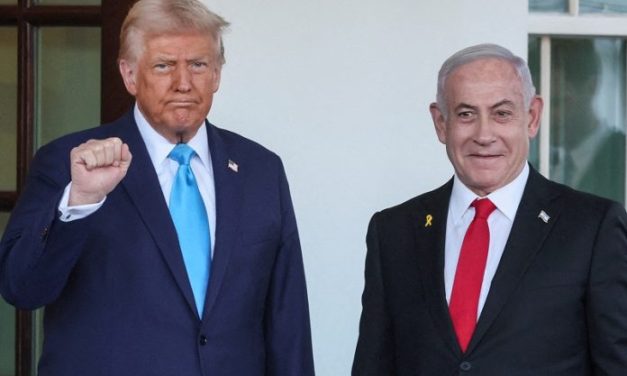
The Inseparability of the Lebanese Front from the Axis of Resistance

SCFR Online–Opinion: By providing an extensive network of social, healthcare, educational, and post-war reconstruction services, Hezbollah has established a strong social base for itself among Lebanon’s Shiites and Sunnis, and even beyond that, among other segments of Lebanese society, including Christians. Hezbollah has never been an external actor imposed upon Lebanon; rather, it is a phenomenon fundamentally born out of the occupation and crimes of the Zionist regime and itself influenced by popular resistance.

The Increasing Efforts of the Zionist Regime to Redefine Borders and the Regional Order and Its Consequences

SCFR Online– Opinion: Security and military developments in the region over recent months indicate that the ongoing crises and wars in Gaza, southern Lebanon, and parts of Syrian territory encompass broader dimensions of geopolitical and geostrategic transformations. In this context, the increased military presence and control of the Zionist regime over parts of the territories of these areas, along with proposals regarding the creation of buffer zones or even the expansion of security borders, have raised serious questions about the future of the regional order and its consequences for the countries of West Asia.

The Components of Iran’s Deterrence Power

SCFR Online – Opinion: At a time when regional security equations have reached a sensitive stage under the influence of Iran’s strategic confrontation with the United States and the Zionist regime, the question of the nature of Tehran’s defensive power has gained greater significance than ever before. While Washington and Tel Aviv rely on their technological superiority, the Islamic Republic of Iran has presented a model of deterrence that extends beyond the material calculations of the world’s classical militaries. This power, rooted in the connection between “the field” and “the people,” has not only altered the balance of power in recent conflicts but has also disrupted adversaries’ calculations when confronting Iran’s strategic depth.

Loading

AGOL

Objectives of NATO in increasing military forces in Iraq

Objectives of NATO in increasing military forces in Iraq

Strategic Council Online—Interview: A university professor says re-stationing of American military personnel in Iraq, giving legitimacy to their presence and weakening the status of Hashd al-Shabi in Iraq are the main objectives of NATO’s decision to increase the number of its military forces in Iraq by eight times, adding that if there is no serious determination by foreign players to make Iraq insecure, Iraqi forces can guarantee security in the fight against terrorism.

An Analysis on Biden’s Remarks at Munich Security Conference

An Analysis on Biden’s Remarks at Munich Security Conference

Strategic Council Online – In the nearly 60-year old history of the Munich Security Conference, which is held annually by the private sector on global security policy in the presence of international security and military politicians, this is the first time that a president of the United States has attended it, and for the first time since taking office, has addressed the European audience directly.
Mahmoud Fazeli – Analyst of international affairs

Russia-Europe Relations: Partner or Competitor?

Russia-Europe Relations: Partner or Competitor?

Strategic Council Online – An expert on Europe affairs believes that a series of developments occurred in the Russian-European relations over the past three decades since the collapse of the Soviet Union show that European and American governments see Russia not as a partner but as a rival.

Aftershocks of US Elections on Relations with Saudi Arabia

Aftershocks of US Elections on Relations with Saudi Arabia

Strategic Council Online – An analyst of Saudi affairs said that Saudi Arabia and the United States are currently evaluating each other, adding: If Bin Salman cooperates with the United States in resolving the Yemen crisis, as such that Biden represents himself as the “savior of several nations,” Biden will also reduce his pressure in the field of Saudi domestic issues.

Importance, Necessity of Ending Yemen War; Responsibility of UN Security Council

Importance, Necessity of Ending Yemen War; Responsibility of UN Security Council

Strategic Council Online – Positions and remarks of the officials of the new US administration show that the war in Yemen is one of the important topics on the agenda of the White House in the field of foreign policy. As US President Joe Biden described in his first foreign policy speech the Yemen war: “a war which has created humanitarian and strategic catastrophe. …This war has to end.”
Hamid Khoshayand – Analyst of international affairs

Perspective of Moscow-Washington relations during the Biden administration

Perspective of Moscow-Washington relations during the Biden administration

Strategic Council Online-Editorial: The interference of the White House in the domestic affairs of Russia during the past one month concerning the Alexi Navalny issue indicated that the Biden administration is profiting from the tools of democracy and human rights for its own interest in order to obtain maximal interests in the global order. And this is an issue which can cause more frictions in the relations between the United States and Russia as Russia believes that the West presents a two-direction and conflicting definition of concrete concepts such as freedom, human rights and democracy.
Dr. Ahmad Vakhishteh, professor of the International Relations Faculty of the National Eurasia University

Hidden Targets of Biden’s Yemen War Policy

Hidden Targets of Biden’s Yemen War Policy

Strategic Council Online – An expert on the Middle East affairs, commenting on the differences between US foreign policy towards Yemen during Donald Trump’s presidency and under Joe Biden, said: Biden’s policy on putting an end to the war in Yemen is not about human rights issues; rather what he follows in ending the war is to help its ally, Saudi Arabia, which is entrapped in that crisis.

Moscow Making Efforts to Play a New Role in Palestinian Crisis

Moscow Making Efforts to Play a New Role in Palestinian Crisis

Strategic Council Online – According to a decree issued by Mahmoud Abbas, President of the Palestinian Authority, the Palestinian elections are scheduled to be held in three stages in 2021. According to the decree, for the Palestinian Legislative Council (Parliament) the elections will be held on May 22, for the president of the Palestinian Authority on July 31, and for the Palestinian National Council on August 31, 2021. The results of the elections for the Palestinian Legislative Assembly will be the first stage in the formation of the Palestinian National Council, which will be completed after the elections in accordance with the statute of the Palestine Liberation Organization (PLO) and national reconciliation. This is an important and effective step towards establishing unification in Palestine. Announcement of the exact date for the election has been accompanied by movements in the diplomatic arena.
Mahmoud Fazeli – Analyst of international affairs

ÚLTIMAS PUBLICACIONES

Iran’s Potential Levers of Power

SCFRonline– Opinion: Iran’s geopolitical power is not limited solely to oil and the Strait of Hormuz; the unintended emergence of disruptions in the future global food and energy security chains can also demonstrate Iran’s strategic importance.

The Inseparability of the Lebanese Front from the Axis of Resistance

SCFR Online–Opinion: By providing an extensive network of social, healthcare, educational, and post-war reconstruction services, Hezbollah has established a strong social base for itself among Lebanon’s Shiites and Sunnis, and even beyond that, among other segments of Lebanese society, including Christians. Hezbollah has never been an external actor imposed upon Lebanon; rather, it is a phenomenon fundamentally born out of the occupation and crimes of the Zionist regime and itself influenced by popular resistance.

The Increasing Efforts of the Zionist Regime to Redefine Borders and the Regional Order and Its Consequences

SCFR Online– Opinion: Security and military developments in the region over recent months indicate that the ongoing crises and wars in Gaza, southern Lebanon, and parts of Syrian territory encompass broader dimensions of geopolitical and geostrategic transformations. In this context, the increased military presence and control of the Zionist regime over parts of the territories of these areas, along with proposals regarding the creation of buffer zones or even the expansion of security borders, have raised serious questions about the future of the regional order and its consequences for the countries of West Asia.

The Components of Iran’s Deterrence Power

SCFR Online – Opinion: At a time when regional security equations have reached a sensitive stage under the influence of Iran’s strategic confrontation with the United States and the Zionist regime, the question of the nature of Tehran’s defensive power has gained greater significance than ever before. While Washington and Tel Aviv rely on their technological superiority, the Islamic Republic of Iran has presented a model of deterrence that extends beyond the material calculations of the world’s classical militaries. This power, rooted in the connection between “the field” and “the people,” has not only altered the balance of power in recent conflicts but has also disrupted adversaries’ calculations when confronting Iran’s strategic depth.

Loading

AGOL

Objectives of NATO in increasing military forces in Iraq

Objectives of NATO in increasing military forces in Iraq

Strategic Council Online—Interview: A university professor says re-stationing of American military personnel in Iraq, giving legitimacy to their presence and weakening the status of Hashd al-Shabi in Iraq are the main objectives of NATO’s decision to increase the number of its military forces in Iraq by eight times, adding that if there is no serious determination by foreign players to make Iraq insecure, Iraqi forces can guarantee security in the fight against terrorism.

An Analysis on Biden’s Remarks at Munich Security Conference

An Analysis on Biden’s Remarks at Munich Security Conference

Strategic Council Online – In the nearly 60-year old history of the Munich Security Conference, which is held annually by the private sector on global security policy in the presence of international security and military politicians, this is the first time that a president of the United States has attended it, and for the first time since taking office, has addressed the European audience directly.
Mahmoud Fazeli – Analyst of international affairs

Russia-Europe Relations: Partner or Competitor?

Russia-Europe Relations: Partner or Competitor?

Strategic Council Online – An expert on Europe affairs believes that a series of developments occurred in the Russian-European relations over the past three decades since the collapse of the Soviet Union show that European and American governments see Russia not as a partner but as a rival.

Aftershocks of US Elections on Relations with Saudi Arabia

Aftershocks of US Elections on Relations with Saudi Arabia

Strategic Council Online – An analyst of Saudi affairs said that Saudi Arabia and the United States are currently evaluating each other, adding: If Bin Salman cooperates with the United States in resolving the Yemen crisis, as such that Biden represents himself as the “savior of several nations,” Biden will also reduce his pressure in the field of Saudi domestic issues.

Importance, Necessity of Ending Yemen War; Responsibility of UN Security Council

Importance, Necessity of Ending Yemen War; Responsibility of UN Security Council

Strategic Council Online – Positions and remarks of the officials of the new US administration show that the war in Yemen is one of the important topics on the agenda of the White House in the field of foreign policy. As US President Joe Biden described in his first foreign policy speech the Yemen war: “a war which has created humanitarian and strategic catastrophe. …This war has to end.”
Hamid Khoshayand – Analyst of international affairs

Perspective of Moscow-Washington relations during the Biden administration

Perspective of Moscow-Washington relations during the Biden administration

Strategic Council Online-Editorial: The interference of the White House in the domestic affairs of Russia during the past one month concerning the Alexi Navalny issue indicated that the Biden administration is profiting from the tools of democracy and human rights for its own interest in order to obtain maximal interests in the global order. And this is an issue which can cause more frictions in the relations between the United States and Russia as Russia believes that the West presents a two-direction and conflicting definition of concrete concepts such as freedom, human rights and democracy.
Dr. Ahmad Vakhishteh, professor of the International Relations Faculty of the National Eurasia University

Hidden Targets of Biden’s Yemen War Policy

Hidden Targets of Biden’s Yemen War Policy

Strategic Council Online – An expert on the Middle East affairs, commenting on the differences between US foreign policy towards Yemen during Donald Trump’s presidency and under Joe Biden, said: Biden’s policy on putting an end to the war in Yemen is not about human rights issues; rather what he follows in ending the war is to help its ally, Saudi Arabia, which is entrapped in that crisis.

Moscow Making Efforts to Play a New Role in Palestinian Crisis

Moscow Making Efforts to Play a New Role in Palestinian Crisis

Strategic Council Online – According to a decree issued by Mahmoud Abbas, President of the Palestinian Authority, the Palestinian elections are scheduled to be held in three stages in 2021. According to the decree, for the Palestinian Legislative Council (Parliament) the elections will be held on May 22, for the president of the Palestinian Authority on July 31, and for the Palestinian National Council on August 31, 2021. The results of the elections for the Palestinian Legislative Assembly will be the first stage in the formation of the Palestinian National Council, which will be completed after the elections in accordance with the statute of the Palestine Liberation Organization (PLO) and national reconciliation. This is an important and effective step towards establishing unification in Palestine. Announcement of the exact date for the election has been accompanied by movements in the diplomatic arena.
Mahmoud Fazeli – Analyst of international affairs

ÚLTIMAS PUBLICACIONES

Iran’s Potential Levers of Power

SCFRonline– Opinion: Iran’s geopolitical power is not limited solely to oil and the Strait of Hormuz; the unintended emergence of disruptions in the future global food and energy security chains can also demonstrate Iran’s strategic importance.

The Inseparability of the Lebanese Front from the Axis of Resistance

SCFR Online–Opinion: By providing an extensive network of social, healthcare, educational, and post-war reconstruction services, Hezbollah has established a strong social base for itself among Lebanon’s Shiites and Sunnis, and even beyond that, among other segments of Lebanese society, including Christians. Hezbollah has never been an external actor imposed upon Lebanon; rather, it is a phenomenon fundamentally born out of the occupation and crimes of the Zionist regime and itself influenced by popular resistance.

The Increasing Efforts of the Zionist Regime to Redefine Borders and the Regional Order and Its Consequences

SCFR Online– Opinion: Security and military developments in the region over recent months indicate that the ongoing crises and wars in Gaza, southern Lebanon, and parts of Syrian territory encompass broader dimensions of geopolitical and geostrategic transformations. In this context, the increased military presence and control of the Zionist regime over parts of the territories of these areas, along with proposals regarding the creation of buffer zones or even the expansion of security borders, have raised serious questions about the future of the regional order and its consequences for the countries of West Asia.

The Components of Iran’s Deterrence Power

SCFR Online – Opinion: At a time when regional security equations have reached a sensitive stage under the influence of Iran’s strategic confrontation with the United States and the Zionist regime, the question of the nature of Tehran’s defensive power has gained greater significance than ever before. While Washington and Tel Aviv rely on their technological superiority, the Islamic Republic of Iran has presented a model of deterrence that extends beyond the material calculations of the world’s classical militaries. This power, rooted in the connection between “the field” and “the people,” has not only altered the balance of power in recent conflicts but has also disrupted adversaries’ calculations when confronting Iran’s strategic depth.

Loading