جدیدترین مطالب

The Inseparability of the Lebanese Front from the Axis of Resistance

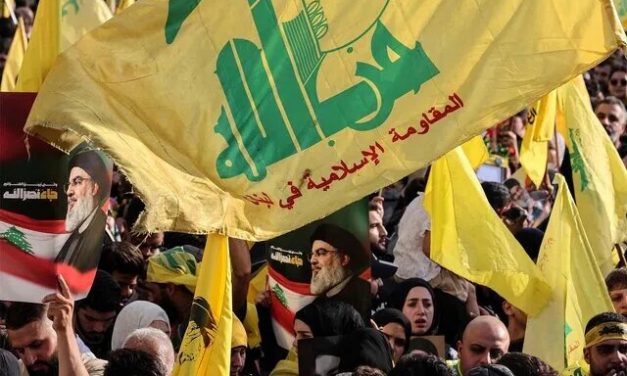
SCFR Online–Opinion: By providing an extensive network of social, healthcare, educational, and post-war reconstruction services, Hezbollah has established a strong social base for itself among Lebanon’s Shiites and Sunnis, and even beyond that, among other segments of Lebanese society, including Christians. Hezbollah has never been an external actor imposed upon Lebanon; rather, it is a phenomenon fundamentally born out of the occupation and crimes of the Zionist regime and itself influenced by popular resistance.

The Increasing Efforts of the Zionist Regime to Redefine Borders and the Regional Order and Its Consequences

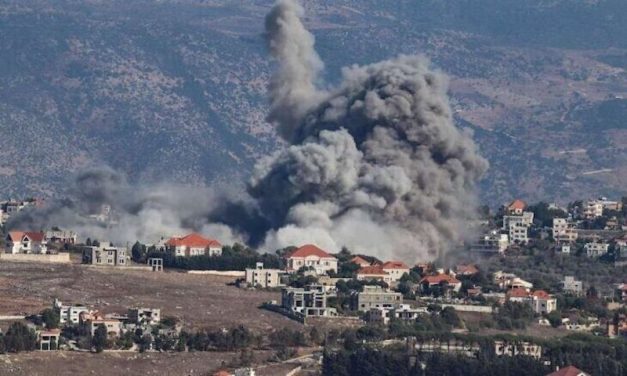
SCFR Online– Opinion: Security and military developments in the region over recent months indicate that the ongoing crises and wars in Gaza, southern Lebanon, and parts of Syrian territory encompass broader dimensions of geopolitical and geostrategic transformations. In this context, the increased military presence and control of the Zionist regime over parts of the territories of these areas, along with proposals regarding the creation of buffer zones or even the expansion of security borders, have raised serious questions about the future of the regional order and its consequences for the countries of West Asia.

The Components of Iran’s Deterrence Power

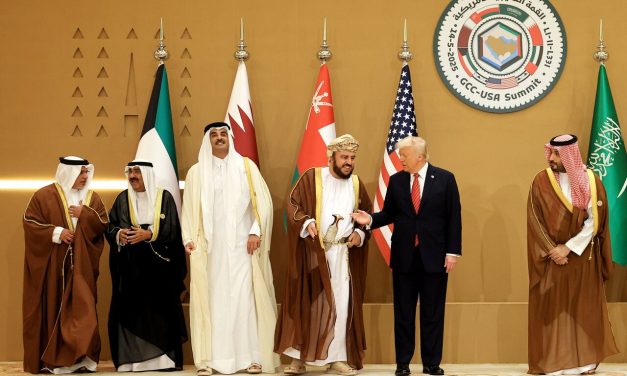
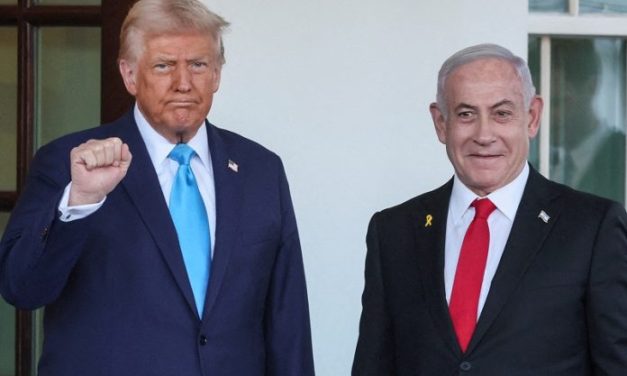
SCFR Online – Opinion: At a time when regional security equations have reached a sensitive stage under the influence of Iran’s strategic confrontation with the United States and the Zionist regime, the question of the nature of Tehran’s defensive power has gained greater significance than ever before. While Washington and Tel Aviv rely on their technological superiority, the Islamic Republic of Iran has presented a model of deterrence that extends beyond the material calculations of the world’s classical militaries. This power, rooted in the connection between “the field” and “the people,” has not only altered the balance of power in recent conflicts but has also disrupted adversaries’ calculations when confronting Iran’s strategic depth.

Loading

AGOL

Monopolist Configuration of Taliban Interim Cabinet & Its Consequences

Monopolist Configuration of Taliban Interim Cabinet & Its Consequences

Strategic Council Online- Interview: An analyst of Afghanistan affairs having said that the victor of the Taliban’s list is the Haqqani faction and Pakistan, and Molla Baradar faction has been marginalized, said:” Afghanistan society is now experiencing a profound gap between the government and other ethnics and religious sects. The situation is very dangerous and may lead to an internal war.

Prospects of economic relations between Iran and Afghanistan

Prospects of economic relations between Iran and Afghanistan

Strategic Council Online-Interview: Former director of the Logistics Headquarter of Afghanistan at the Ministry of Foreign Affairs says given the recent political developments in Afghanistan, even though we may see ups and downs in economic ties, Afghanistan cannot ignore its dealings with Iran even under the worst circumstances.

Failure of US Global Security Strategy

Failure of US Global Security Strategy

Strategic Council Online – Interview: A professor of the University of Tehran commenting about challenges of the US political-military strategy in the world said: After the Vietnam War, the US put a strategy on the agenda based on which it decided to arm its allies to ensure its security; but Washington’s decision to withdraw its troops from Iraq and Afghanistan seems to be a sign of the failure of that strategy.

Turkey’s Strategic Targets in Afghanistan

Turkey’s Strategic Targets in Afghanistan

Strategic Council Online – Interview: A university professor, stating that Turkey has a strategic and economic motivation to be present in Afghanistan, suggested that in the near future we will be witness to the extensive talks between the Taliban and Turkey.

Turkey’s Strategic View of Developments in Afghanistan

Turkey’s Strategic View of Developments in Afghanistan

Strategic Council Online – Interview: An expert on Turkey affairs commenting on Turkey’s new role in Afghanistan after the Taliban seizure of Kabul said: Ankara’s view of Kabul is a strategic one, and given the geopolitical situation of Afghanistan, in a long-term strategy, Turkey is striving for extensive military cooperation with that country, and in the meantime, Turkey’s good relations with Pakistan is strengthening this demand.

The Baghdad conference: objectives and outcomes

The Baghdad conference: objectives and outcomes

Strategic Council Online-Opinion: On 28 August 2021, Baghdad was host to one of the most important regional meetings entitled the Baghdad Conference for Cooperation and Partnership. Guests participating in this one-day meeting included high-ranking officials from influential Arab and non-Arab states. The Baghdad conference was highly significant from two respects: first, the level and arrangement of participants that have deep differences bilaterally, trilaterally and on many aspects, second, the goals which were pursued in the meeting at domestic, regional and international levels.
Barsam Mohammadi—International issues analyst

أحدث الوظائف

The Inseparability of the Lebanese Front from the Axis of Resistance

SCFR Online–Opinion: By providing an extensive network of social, healthcare, educational, and post-war reconstruction services, Hezbollah has established a strong social base for itself among Lebanon’s Shiites and Sunnis, and even beyond that, among other segments of Lebanese society, including Christians. Hezbollah has never been an external actor imposed upon Lebanon; rather, it is a phenomenon fundamentally born out of the occupation and crimes of the Zionist regime and itself influenced by popular resistance.

The Increasing Efforts of the Zionist Regime to Redefine Borders and the Regional Order and Its Consequences

SCFR Online– Opinion: Security and military developments in the region over recent months indicate that the ongoing crises and wars in Gaza, southern Lebanon, and parts of Syrian territory encompass broader dimensions of geopolitical and geostrategic transformations. In this context, the increased military presence and control of the Zionist regime over parts of the territories of these areas, along with proposals regarding the creation of buffer zones or even the expansion of security borders, have raised serious questions about the future of the regional order and its consequences for the countries of West Asia.

The Components of Iran’s Deterrence Power

SCFR Online – Opinion: At a time when regional security equations have reached a sensitive stage under the influence of Iran’s strategic confrontation with the United States and the Zionist regime, the question of the nature of Tehran’s defensive power has gained greater significance than ever before. While Washington and Tel Aviv rely on their technological superiority, the Islamic Republic of Iran has presented a model of deterrence that extends beyond the material calculations of the world’s classical militaries. This power, rooted in the connection between “the field” and “the people,” has not only altered the balance of power in recent conflicts but has also disrupted adversaries’ calculations when confronting Iran’s strategic depth.

Loading

AGOL

Monopolist Configuration of Taliban Interim Cabinet & Its Consequences

Monopolist Configuration of Taliban Interim Cabinet & Its Consequences

Strategic Council Online- Interview: An analyst of Afghanistan affairs having said that the victor of the Taliban’s list is the Haqqani faction and Pakistan, and Molla Baradar faction has been marginalized, said:” Afghanistan society is now experiencing a profound gap between the government and other ethnics and religious sects. The situation is very dangerous and may lead to an internal war.

Prospects of economic relations between Iran and Afghanistan

Prospects of economic relations between Iran and Afghanistan

Strategic Council Online-Interview: Former director of the Logistics Headquarter of Afghanistan at the Ministry of Foreign Affairs says given the recent political developments in Afghanistan, even though we may see ups and downs in economic ties, Afghanistan cannot ignore its dealings with Iran even under the worst circumstances.

Failure of US Global Security Strategy

Failure of US Global Security Strategy

Strategic Council Online – Interview: A professor of the University of Tehran commenting about challenges of the US political-military strategy in the world said: After the Vietnam War, the US put a strategy on the agenda based on which it decided to arm its allies to ensure its security; but Washington’s decision to withdraw its troops from Iraq and Afghanistan seems to be a sign of the failure of that strategy.

Turkey’s Strategic Targets in Afghanistan

Turkey’s Strategic Targets in Afghanistan

Strategic Council Online – Interview: A university professor, stating that Turkey has a strategic and economic motivation to be present in Afghanistan, suggested that in the near future we will be witness to the extensive talks between the Taliban and Turkey.

Turkey’s Strategic View of Developments in Afghanistan

Turkey’s Strategic View of Developments in Afghanistan

Strategic Council Online – Interview: An expert on Turkey affairs commenting on Turkey’s new role in Afghanistan after the Taliban seizure of Kabul said: Ankara’s view of Kabul is a strategic one, and given the geopolitical situation of Afghanistan, in a long-term strategy, Turkey is striving for extensive military cooperation with that country, and in the meantime, Turkey’s good relations with Pakistan is strengthening this demand.

The Baghdad conference: objectives and outcomes

The Baghdad conference: objectives and outcomes

Strategic Council Online-Opinion: On 28 August 2021, Baghdad was host to one of the most important regional meetings entitled the Baghdad Conference for Cooperation and Partnership. Guests participating in this one-day meeting included high-ranking officials from influential Arab and non-Arab states. The Baghdad conference was highly significant from two respects: first, the level and arrangement of participants that have deep differences bilaterally, trilaterally and on many aspects, second, the goals which were pursued in the meeting at domestic, regional and international levels.
Barsam Mohammadi—International issues analyst

AGOL

Monopolist Configuration of Taliban Interim Cabinet & Its Consequences

Monopolist Configuration of Taliban Interim Cabinet & Its Consequences

Strategic Council Online- Interview: An analyst of Afghanistan affairs having said that the victor of the Taliban’s list is the Haqqani faction and Pakistan, and Molla Baradar faction has been marginalized, said:” Afghanistan society is now experiencing a profound gap between the government and other ethnics and religious sects. The situation is very dangerous and may lead to an internal war.

Prospects of economic relations between Iran and Afghanistan

Prospects of economic relations between Iran and Afghanistan

Strategic Council Online-Interview: Former director of the Logistics Headquarter of Afghanistan at the Ministry of Foreign Affairs says given the recent political developments in Afghanistan, even though we may see ups and downs in economic ties, Afghanistan cannot ignore its dealings with Iran even under the worst circumstances.

Failure of US Global Security Strategy

Failure of US Global Security Strategy

Strategic Council Online – Interview: A professor of the University of Tehran commenting about challenges of the US political-military strategy in the world said: After the Vietnam War, the US put a strategy on the agenda based on which it decided to arm its allies to ensure its security; but Washington’s decision to withdraw its troops from Iraq and Afghanistan seems to be a sign of the failure of that strategy.

Turkey’s Strategic Targets in Afghanistan

Turkey’s Strategic Targets in Afghanistan

Strategic Council Online – Interview: A university professor, stating that Turkey has a strategic and economic motivation to be present in Afghanistan, suggested that in the near future we will be witness to the extensive talks between the Taliban and Turkey.

Turkey’s Strategic View of Developments in Afghanistan

Turkey’s Strategic View of Developments in Afghanistan

Strategic Council Online – Interview: An expert on Turkey affairs commenting on Turkey’s new role in Afghanistan after the Taliban seizure of Kabul said: Ankara’s view of Kabul is a strategic one, and given the geopolitical situation of Afghanistan, in a long-term strategy, Turkey is striving for extensive military cooperation with that country, and in the meantime, Turkey’s good relations with Pakistan is strengthening this demand.

The Baghdad conference: objectives and outcomes

The Baghdad conference: objectives and outcomes

Strategic Council Online-Opinion: On 28 August 2021, Baghdad was host to one of the most important regional meetings entitled the Baghdad Conference for Cooperation and Partnership. Guests participating in this one-day meeting included high-ranking officials from influential Arab and non-Arab states. The Baghdad conference was highly significant from two respects: first, the level and arrangement of participants that have deep differences bilaterally, trilaterally and on many aspects, second, the goals which were pursued in the meeting at domestic, regional and international levels.
Barsam Mohammadi—International issues analyst

LATEST CONTENT

The Inseparability of the Lebanese Front from the Axis of Resistance

SCFR Online–Opinion: By providing an extensive network of social, healthcare, educational, and post-war reconstruction services, Hezbollah has established a strong social base for itself among Lebanon’s Shiites and Sunnis, and even beyond that, among other segments of Lebanese society, including Christians. Hezbollah has never been an external actor imposed upon Lebanon; rather, it is a phenomenon fundamentally born out of the occupation and crimes of the Zionist regime and itself influenced by popular resistance.

The Increasing Efforts of the Zionist Regime to Redefine Borders and the Regional Order and Its Consequences

SCFR Online– Opinion: Security and military developments in the region over recent months indicate that the ongoing crises and wars in Gaza, southern Lebanon, and parts of Syrian territory encompass broader dimensions of geopolitical and geostrategic transformations. In this context, the increased military presence and control of the Zionist regime over parts of the territories of these areas, along with proposals regarding the creation of buffer zones or even the expansion of security borders, have raised serious questions about the future of the regional order and its consequences for the countries of West Asia.

The Components of Iran’s Deterrence Power

SCFR Online – Opinion: At a time when regional security equations have reached a sensitive stage under the influence of Iran’s strategic confrontation with the United States and the Zionist regime, the question of the nature of Tehran’s defensive power has gained greater significance than ever before. While Washington and Tel Aviv rely on their technological superiority, the Islamic Republic of Iran has presented a model of deterrence that extends beyond the material calculations of the world’s classical militaries. This power, rooted in the connection between “the field” and “the people,” has not only altered the balance of power in recent conflicts but has also disrupted adversaries’ calculations when confronting Iran’s strategic depth.

Loading

AGOL

Monopolist Configuration of Taliban Interim Cabinet & Its Consequences

Monopolist Configuration of Taliban Interim Cabinet & Its Consequences

Strategic Council Online- Interview: An analyst of Afghanistan affairs having said that the victor of the Taliban’s list is the Haqqani faction and Pakistan, and Molla Baradar faction has been marginalized, said:” Afghanistan society is now experiencing a profound gap between the government and other ethnics and religious sects. The situation is very dangerous and may lead to an internal war.

Prospects of economic relations between Iran and Afghanistan

Prospects of economic relations between Iran and Afghanistan

Strategic Council Online-Interview: Former director of the Logistics Headquarter of Afghanistan at the Ministry of Foreign Affairs says given the recent political developments in Afghanistan, even though we may see ups and downs in economic ties, Afghanistan cannot ignore its dealings with Iran even under the worst circumstances.

Failure of US Global Security Strategy

Failure of US Global Security Strategy

Strategic Council Online – Interview: A professor of the University of Tehran commenting about challenges of the US political-military strategy in the world said: After the Vietnam War, the US put a strategy on the agenda based on which it decided to arm its allies to ensure its security; but Washington’s decision to withdraw its troops from Iraq and Afghanistan seems to be a sign of the failure of that strategy.

Turkey’s Strategic Targets in Afghanistan

Turkey’s Strategic Targets in Afghanistan

Strategic Council Online – Interview: A university professor, stating that Turkey has a strategic and economic motivation to be present in Afghanistan, suggested that in the near future we will be witness to the extensive talks between the Taliban and Turkey.

Turkey’s Strategic View of Developments in Afghanistan

Turkey’s Strategic View of Developments in Afghanistan

Strategic Council Online – Interview: An expert on Turkey affairs commenting on Turkey’s new role in Afghanistan after the Taliban seizure of Kabul said: Ankara’s view of Kabul is a strategic one, and given the geopolitical situation of Afghanistan, in a long-term strategy, Turkey is striving for extensive military cooperation with that country, and in the meantime, Turkey’s good relations with Pakistan is strengthening this demand.

The Baghdad conference: objectives and outcomes

The Baghdad conference: objectives and outcomes

Strategic Council Online-Opinion: On 28 August 2021, Baghdad was host to one of the most important regional meetings entitled the Baghdad Conference for Cooperation and Partnership. Guests participating in this one-day meeting included high-ranking officials from influential Arab and non-Arab states. The Baghdad conference was highly significant from two respects: first, the level and arrangement of participants that have deep differences bilaterally, trilaterally and on many aspects, second, the goals which were pursued in the meeting at domestic, regional and international levels.
Barsam Mohammadi—International issues analyst

ÚLTIMAS PUBLICACIONES

The Inseparability of the Lebanese Front from the Axis of Resistance

SCFR Online–Opinion: By providing an extensive network of social, healthcare, educational, and post-war reconstruction services, Hezbollah has established a strong social base for itself among Lebanon’s Shiites and Sunnis, and even beyond that, among other segments of Lebanese society, including Christians. Hezbollah has never been an external actor imposed upon Lebanon; rather, it is a phenomenon fundamentally born out of the occupation and crimes of the Zionist regime and itself influenced by popular resistance.

The Increasing Efforts of the Zionist Regime to Redefine Borders and the Regional Order and Its Consequences

SCFR Online– Opinion: Security and military developments in the region over recent months indicate that the ongoing crises and wars in Gaza, southern Lebanon, and parts of Syrian territory encompass broader dimensions of geopolitical and geostrategic transformations. In this context, the increased military presence and control of the Zionist regime over parts of the territories of these areas, along with proposals regarding the creation of buffer zones or even the expansion of security borders, have raised serious questions about the future of the regional order and its consequences for the countries of West Asia.

The Components of Iran’s Deterrence Power

SCFR Online – Opinion: At a time when regional security equations have reached a sensitive stage under the influence of Iran’s strategic confrontation with the United States and the Zionist regime, the question of the nature of Tehran’s defensive power has gained greater significance than ever before. While Washington and Tel Aviv rely on their technological superiority, the Islamic Republic of Iran has presented a model of deterrence that extends beyond the material calculations of the world’s classical militaries. This power, rooted in the connection between “the field” and “the people,” has not only altered the balance of power in recent conflicts but has also disrupted adversaries’ calculations when confronting Iran’s strategic depth.

Loading

AGOL

Monopolist Configuration of Taliban Interim Cabinet & Its Consequences

Monopolist Configuration of Taliban Interim Cabinet & Its Consequences

Strategic Council Online- Interview: An analyst of Afghanistan affairs having said that the victor of the Taliban’s list is the Haqqani faction and Pakistan, and Molla Baradar faction has been marginalized, said:” Afghanistan society is now experiencing a profound gap between the government and other ethnics and religious sects. The situation is very dangerous and may lead to an internal war.

Prospects of economic relations between Iran and Afghanistan

Prospects of economic relations between Iran and Afghanistan

Strategic Council Online-Interview: Former director of the Logistics Headquarter of Afghanistan at the Ministry of Foreign Affairs says given the recent political developments in Afghanistan, even though we may see ups and downs in economic ties, Afghanistan cannot ignore its dealings with Iran even under the worst circumstances.

Failure of US Global Security Strategy

Failure of US Global Security Strategy

Strategic Council Online – Interview: A professor of the University of Tehran commenting about challenges of the US political-military strategy in the world said: After the Vietnam War, the US put a strategy on the agenda based on which it decided to arm its allies to ensure its security; but Washington’s decision to withdraw its troops from Iraq and Afghanistan seems to be a sign of the failure of that strategy.

Turkey’s Strategic Targets in Afghanistan

Turkey’s Strategic Targets in Afghanistan

Strategic Council Online – Interview: A university professor, stating that Turkey has a strategic and economic motivation to be present in Afghanistan, suggested that in the near future we will be witness to the extensive talks between the Taliban and Turkey.

Turkey’s Strategic View of Developments in Afghanistan

Turkey’s Strategic View of Developments in Afghanistan

Strategic Council Online – Interview: An expert on Turkey affairs commenting on Turkey’s new role in Afghanistan after the Taliban seizure of Kabul said: Ankara’s view of Kabul is a strategic one, and given the geopolitical situation of Afghanistan, in a long-term strategy, Turkey is striving for extensive military cooperation with that country, and in the meantime, Turkey’s good relations with Pakistan is strengthening this demand.

The Baghdad conference: objectives and outcomes

The Baghdad conference: objectives and outcomes

Strategic Council Online-Opinion: On 28 August 2021, Baghdad was host to one of the most important regional meetings entitled the Baghdad Conference for Cooperation and Partnership. Guests participating in this one-day meeting included high-ranking officials from influential Arab and non-Arab states. The Baghdad conference was highly significant from two respects: first, the level and arrangement of participants that have deep differences bilaterally, trilaterally and on many aspects, second, the goals which were pursued in the meeting at domestic, regional and international levels.
Barsam Mohammadi—International issues analyst

ÚLTIMAS PUBLICACIONES

The Inseparability of the Lebanese Front from the Axis of Resistance

SCFR Online–Opinion: By providing an extensive network of social, healthcare, educational, and post-war reconstruction services, Hezbollah has established a strong social base for itself among Lebanon’s Shiites and Sunnis, and even beyond that, among other segments of Lebanese society, including Christians. Hezbollah has never been an external actor imposed upon Lebanon; rather, it is a phenomenon fundamentally born out of the occupation and crimes of the Zionist regime and itself influenced by popular resistance.

The Increasing Efforts of the Zionist Regime to Redefine Borders and the Regional Order and Its Consequences

SCFR Online– Opinion: Security and military developments in the region over recent months indicate that the ongoing crises and wars in Gaza, southern Lebanon, and parts of Syrian territory encompass broader dimensions of geopolitical and geostrategic transformations. In this context, the increased military presence and control of the Zionist regime over parts of the territories of these areas, along with proposals regarding the creation of buffer zones or even the expansion of security borders, have raised serious questions about the future of the regional order and its consequences for the countries of West Asia.

The Components of Iran’s Deterrence Power

SCFR Online – Opinion: At a time when regional security equations have reached a sensitive stage under the influence of Iran’s strategic confrontation with the United States and the Zionist regime, the question of the nature of Tehran’s defensive power has gained greater significance than ever before. While Washington and Tel Aviv rely on their technological superiority, the Islamic Republic of Iran has presented a model of deterrence that extends beyond the material calculations of the world’s classical militaries. This power, rooted in the connection between “the field” and “the people,” has not only altered the balance of power in recent conflicts but has also disrupted adversaries’ calculations when confronting Iran’s strategic depth.

Loading

AGOL

Monopolist Configuration of Taliban Interim Cabinet & Its Consequences

Monopolist Configuration of Taliban Interim Cabinet & Its Consequences

Strategic Council Online- Interview: An analyst of Afghanistan affairs having said that the victor of the Taliban’s list is the Haqqani faction and Pakistan, and Molla Baradar faction has been marginalized, said:” Afghanistan society is now experiencing a profound gap between the government and other ethnics and religious sects. The situation is very dangerous and may lead to an internal war.

Prospects of economic relations between Iran and Afghanistan

Prospects of economic relations between Iran and Afghanistan

Strategic Council Online-Interview: Former director of the Logistics Headquarter of Afghanistan at the Ministry of Foreign Affairs says given the recent political developments in Afghanistan, even though we may see ups and downs in economic ties, Afghanistan cannot ignore its dealings with Iran even under the worst circumstances.

Failure of US Global Security Strategy

Failure of US Global Security Strategy

Strategic Council Online – Interview: A professor of the University of Tehran commenting about challenges of the US political-military strategy in the world said: After the Vietnam War, the US put a strategy on the agenda based on which it decided to arm its allies to ensure its security; but Washington’s decision to withdraw its troops from Iraq and Afghanistan seems to be a sign of the failure of that strategy.

Turkey’s Strategic Targets in Afghanistan

Turkey’s Strategic Targets in Afghanistan

Strategic Council Online – Interview: A university professor, stating that Turkey has a strategic and economic motivation to be present in Afghanistan, suggested that in the near future we will be witness to the extensive talks between the Taliban and Turkey.

Turkey’s Strategic View of Developments in Afghanistan

Turkey’s Strategic View of Developments in Afghanistan

Strategic Council Online – Interview: An expert on Turkey affairs commenting on Turkey’s new role in Afghanistan after the Taliban seizure of Kabul said: Ankara’s view of Kabul is a strategic one, and given the geopolitical situation of Afghanistan, in a long-term strategy, Turkey is striving for extensive military cooperation with that country, and in the meantime, Turkey’s good relations with Pakistan is strengthening this demand.

The Baghdad conference: objectives and outcomes

The Baghdad conference: objectives and outcomes

Strategic Council Online-Opinion: On 28 August 2021, Baghdad was host to one of the most important regional meetings entitled the Baghdad Conference for Cooperation and Partnership. Guests participating in this one-day meeting included high-ranking officials from influential Arab and non-Arab states. The Baghdad conference was highly significant from two respects: first, the level and arrangement of participants that have deep differences bilaterally, trilaterally and on many aspects, second, the goals which were pursued in the meeting at domestic, regional and international levels.
Barsam Mohammadi—International issues analyst

ÚLTIMAS PUBLICACIONES

The Inseparability of the Lebanese Front from the Axis of Resistance

SCFR Online–Opinion: By providing an extensive network of social, healthcare, educational, and post-war reconstruction services, Hezbollah has established a strong social base for itself among Lebanon’s Shiites and Sunnis, and even beyond that, among other segments of Lebanese society, including Christians. Hezbollah has never been an external actor imposed upon Lebanon; rather, it is a phenomenon fundamentally born out of the occupation and crimes of the Zionist regime and itself influenced by popular resistance.

The Increasing Efforts of the Zionist Regime to Redefine Borders and the Regional Order and Its Consequences

SCFR Online– Opinion: Security and military developments in the region over recent months indicate that the ongoing crises and wars in Gaza, southern Lebanon, and parts of Syrian territory encompass broader dimensions of geopolitical and geostrategic transformations. In this context, the increased military presence and control of the Zionist regime over parts of the territories of these areas, along with proposals regarding the creation of buffer zones or even the expansion of security borders, have raised serious questions about the future of the regional order and its consequences for the countries of West Asia.

The Components of Iran’s Deterrence Power

SCFR Online – Opinion: At a time when regional security equations have reached a sensitive stage under the influence of Iran’s strategic confrontation with the United States and the Zionist regime, the question of the nature of Tehran’s defensive power has gained greater significance than ever before. While Washington and Tel Aviv rely on their technological superiority, the Islamic Republic of Iran has presented a model of deterrence that extends beyond the material calculations of the world’s classical militaries. This power, rooted in the connection between “the field” and “the people,” has not only altered the balance of power in recent conflicts but has also disrupted adversaries’ calculations when confronting Iran’s strategic depth.

Loading

AGOL

Monopolist Configuration of Taliban Interim Cabinet & Its Consequences

Monopolist Configuration of Taliban Interim Cabinet & Its Consequences

Strategic Council Online- Interview: An analyst of Afghanistan affairs having said that the victor of the Taliban’s list is the Haqqani faction and Pakistan, and Molla Baradar faction has been marginalized, said:” Afghanistan society is now experiencing a profound gap between the government and other ethnics and religious sects. The situation is very dangerous and may lead to an internal war.

Prospects of economic relations between Iran and Afghanistan

Prospects of economic relations between Iran and Afghanistan

Strategic Council Online-Interview: Former director of the Logistics Headquarter of Afghanistan at the Ministry of Foreign Affairs says given the recent political developments in Afghanistan, even though we may see ups and downs in economic ties, Afghanistan cannot ignore its dealings with Iran even under the worst circumstances.

Failure of US Global Security Strategy

Failure of US Global Security Strategy

Strategic Council Online – Interview: A professor of the University of Tehran commenting about challenges of the US political-military strategy in the world said: After the Vietnam War, the US put a strategy on the agenda based on which it decided to arm its allies to ensure its security; but Washington’s decision to withdraw its troops from Iraq and Afghanistan seems to be a sign of the failure of that strategy.

Turkey’s Strategic Targets in Afghanistan

Turkey’s Strategic Targets in Afghanistan

Strategic Council Online – Interview: A university professor, stating that Turkey has a strategic and economic motivation to be present in Afghanistan, suggested that in the near future we will be witness to the extensive talks between the Taliban and Turkey.

Turkey’s Strategic View of Developments in Afghanistan

Turkey’s Strategic View of Developments in Afghanistan

Strategic Council Online – Interview: An expert on Turkey affairs commenting on Turkey’s new role in Afghanistan after the Taliban seizure of Kabul said: Ankara’s view of Kabul is a strategic one, and given the geopolitical situation of Afghanistan, in a long-term strategy, Turkey is striving for extensive military cooperation with that country, and in the meantime, Turkey’s good relations with Pakistan is strengthening this demand.

The Baghdad conference: objectives and outcomes

The Baghdad conference: objectives and outcomes

Strategic Council Online-Opinion: On 28 August 2021, Baghdad was host to one of the most important regional meetings entitled the Baghdad Conference for Cooperation and Partnership. Guests participating in this one-day meeting included high-ranking officials from influential Arab and non-Arab states. The Baghdad conference was highly significant from two respects: first, the level and arrangement of participants that have deep differences bilaterally, trilaterally and on many aspects, second, the goals which were pursued in the meeting at domestic, regional and international levels.
Barsam Mohammadi—International issues analyst

ÚLTIMAS PUBLICACIONES

The Inseparability of the Lebanese Front from the Axis of Resistance

SCFR Online–Opinion: By providing an extensive network of social, healthcare, educational, and post-war reconstruction services, Hezbollah has established a strong social base for itself among Lebanon’s Shiites and Sunnis, and even beyond that, among other segments of Lebanese society, including Christians. Hezbollah has never been an external actor imposed upon Lebanon; rather, it is a phenomenon fundamentally born out of the occupation and crimes of the Zionist regime and itself influenced by popular resistance.

The Increasing Efforts of the Zionist Regime to Redefine Borders and the Regional Order and Its Consequences

SCFR Online– Opinion: Security and military developments in the region over recent months indicate that the ongoing crises and wars in Gaza, southern Lebanon, and parts of Syrian territory encompass broader dimensions of geopolitical and geostrategic transformations. In this context, the increased military presence and control of the Zionist regime over parts of the territories of these areas, along with proposals regarding the creation of buffer zones or even the expansion of security borders, have raised serious questions about the future of the regional order and its consequences for the countries of West Asia.

The Components of Iran’s Deterrence Power

SCFR Online – Opinion: At a time when regional security equations have reached a sensitive stage under the influence of Iran’s strategic confrontation with the United States and the Zionist regime, the question of the nature of Tehran’s defensive power has gained greater significance than ever before. While Washington and Tel Aviv rely on their technological superiority, the Islamic Republic of Iran has presented a model of deterrence that extends beyond the material calculations of the world’s classical militaries. This power, rooted in the connection between “the field” and “the people,” has not only altered the balance of power in recent conflicts but has also disrupted adversaries’ calculations when confronting Iran’s strategic depth.

Loading