

Arian Noorani – International Relations Analyst
The Strategic Objectives of the U.S. and China and the Roots of Tension
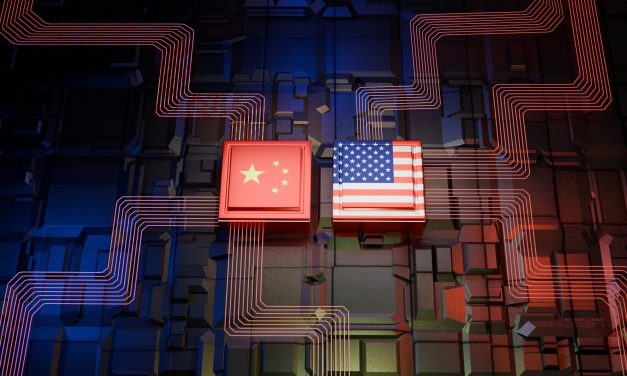
In its new five-year plan, China aims to solidify its global leadership in advanced technologies—particularly artificial intelligence and the semiconductor industry. The government’s extensive investment in low-cost technologies and AI models not only strengthens China’s economic and industrial standing but also enables direct competition with the United States in the arena of innovation. Analysts believe this trend increases the likelihood of a technology bubble forming in the U.S., as China can rapidly capture global market share and intensify pressure on American companies.
On the other hand, the United States seeks to constrain China’s competitive landscape through export restrictions, chip sales controls, and legal pressure on technology companies. Washington’s goal is to maintain technological superiority, secure access to critical mineral resources, and ensure America’s role in global supply chains. These measures represent a long-term strategy to reduce economic dependence on China and limit its capabilities in sensitive technology sectors.
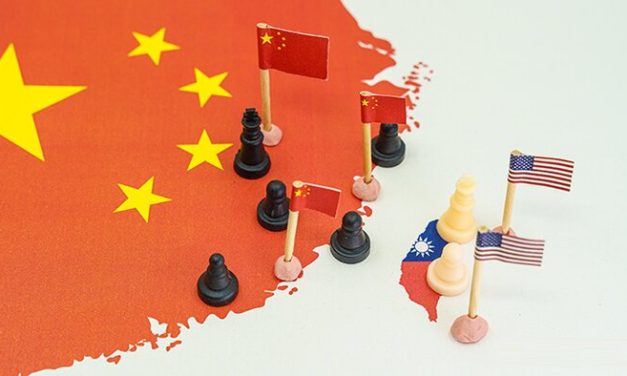
The nature of this competition is not purely economic; at the strategic level, it signifies shaping independent economic, technological, and security networks capable of controlling the flow of vital resources and technology. In this path, both the U.S. and China are seeking to consolidate their influence and establish regional and global alliances to reinforce their positions in the future international order.
The Perspectives of Other Powers and Europe’s Response
Europe, as an influential actor, in response to this competition, has embarked on a path towards digital sovereignty. This includes developing domestic supply chains, investing in new technologies, and enacting data and information protection regulations to enhance its ability to withstand external pressures, whether from the U.S. or China. Europe aims not only to avoid dependence on Chinese and American markets but also to strengthen its capacity to resist any pressure by leveraging domestic technologies and multilateral alliances.
Countries of the Global South, particularly those possessing rare mineral resources, face complex challenges. These countries are constantly torn between attracting foreign capital and technology and preserving their economic and political independence. Pressure from the U.S. and China could force them into a difficult choice: either take advantage of investment and technological opportunities while losing some independence, or resist and accept limitations on economic development. Furthermore, Southern countries are exposed to risks stemming from fluctuations in global markets and competition over resources, which could lead to internal and regional instability.
Some governments, through a balanced strategy, are trying to benefit from foreign technological capacities and investment without jeopardizing their political and economic independence. This policy requires a precise understanding of geopolitical shifts, long-term investment in domestic technology, and designing regulations that protect the country from external pressures.
Future Prospects and Potential Consequences
Given current trends, U.S.-China competition in technology and rare minerals will deepen economic divides and increase control over global supply chains. The U.S., through sanctions and restrictions on technology exports, seeks to limit China’s position in global markets. In contrast, China, through domestic investment and technological innovation, continues on its path towards economic and technological independence.
Europe’s quest for digital sovereignty could serve as a balancing point; by reducing its dependence on either power, Europe increases its ability to resist political and economic pressures. However, the success of this approach requires internal coordination and targeted investment in new technologies, energy resources, and rare minerals. The Global South also plays a sensitive role in this context. Their dependence on resource exports and new technologies, coupled with the economic and political pressures from major powers, places them in a critical position. These countries face challenges such as investment constraints, the risk of technological dependence, and the potential for political pressure. At the same time, opportunities exist to benefit from multilateral cooperation and the development of domestic technology, which could mitigate some of the damages.
The global competition between the U.S. and China is more than just an economic affair; it is an arena for shaping the future geopolitical order. This competition is transforming global economic and technological networks and has profound implications for Europe and the Global South. The success of each country depends on its ability to manage resources, foster technological innovation, and form intelligent alliances.
Europe and the Global South must, through long-term strategy, leverage technological opportunities while preventing competition from turning into regional crises. A smart strategy includes developing indigenous technology, managing rare mineral resources, and establishing multilateral cooperation to ensure countries’ relative independence from external pressures.
Future competition, without a proper understanding of the strategic goals of the powers and the economic and security consequences, could lead to increased tension and regional and global instability; therefore, countries need to act with foresight and attention to domestic capacities. While seizing opportunities, they must prevent the negative consequences arising from this competition and move towards preserving security and sustainable development.






0 Comments